December 4, 2025
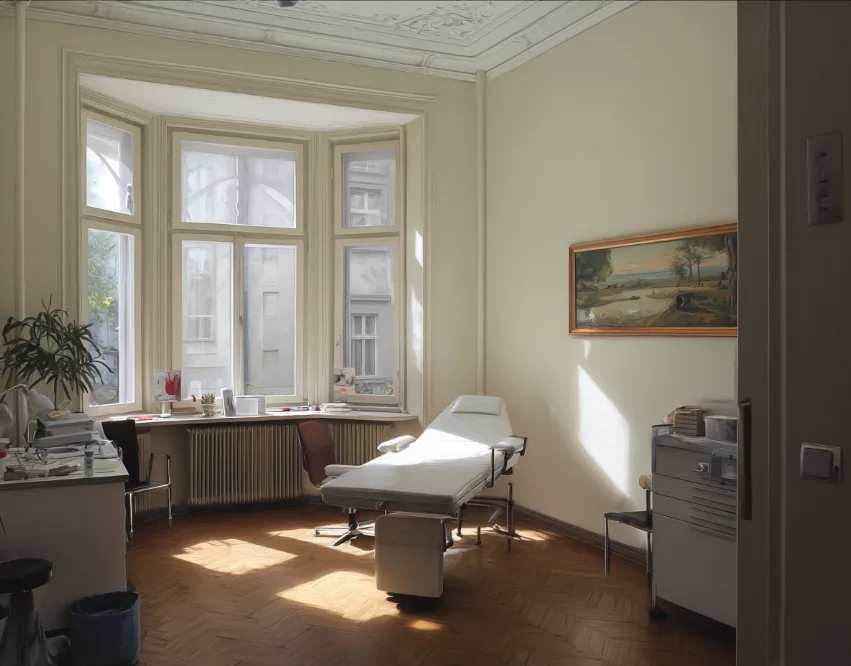
A look inside our practice
How we work, what a typical session looks like and why a calm environment makes such a difference for successful therapy.

 Back to blog
January 16, 2026 · 4 min read
Current findings, studies and developments in occupational therapy, explained clearly and with a view to what they mean for everyday practice.

Occupational therapy is a field that keeps moving. New studies regularly change how we assess, plan and deliver therapy. In this article we summarise a few developments from the past months and explain what they mean for you.
Research keeps confirming what we see in practice: people make the biggest progress when therapy is built around tasks that matter to them. Practising how to button a shirt, cook a simple meal or write a shopping list is more effective than abstract exercises.
Several studies show that short daily practice at home adds a lot to weekly sessions in the practice. That is why we give every client a small, realistic home programme.
Small steps, repeated often, lead to lasting change.
We regularly review our methods and bring new findings into our work. If you have questions about a study you have read about, just ask us at your next appointment.
Back to overview
Keep reading

These posts might interest you as well.
December 4, 2025
How we work, what a typical session looks like and why a calm environment makes such a difference for successful therapy.
November 12, 2025
Simple exercises that help you slow down, reduce stress and build healthy new routines step by step.
October 8, 2025
Easy ideas with everyday objects that keep your hands flexible and strengthen grip, coordination and precision.